Ashghal, Al Khalij Cement Company to recycle sludge generated by wastewater treatment plants
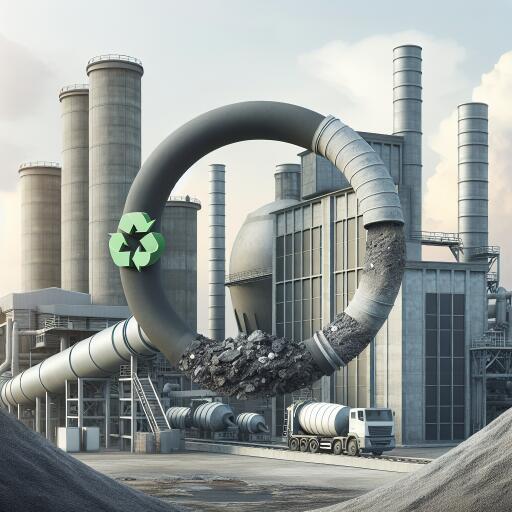
The Public Works Authority (Ashghal) has signed a Memorandum of Understanding with Al Khalij Cement Company (AKCC) to recycle 100 percent of the sludge produced by Ashghal’s wastewater treatment plants across Qatar. The strategic partnership advances the country’s circular economy goals by transforming a challenging waste stream into a resource for clean energy and cement production.
Partnership highlights
The signing was witnessed by HE Abdullah bin Hamad bin Abdullah Al Attiyah, Minister of Municipality; Abdullah bin Nasser Al Misnad, Chairman of the Board of Qatari Investors Group; and HE Eng. Mohammed bin Abdulaziz Al Meer, President of Ashghal, alongside representatives from relevant entities.
From waste to value
Over a five-year period, an estimated 744,000 to 1.29 million tons of sludge will be diverted from traditional disposal. Instead of being transported or sent to landfill, the material will be fully recycled and converted into clean energy and used as inputs in cement manufacturing. This approach reduces carbon emissions, cuts logistical impacts, and turns a former liability into a value-added resource.
Leaders’ perspectives
HE Eng. Mohammed bin Abdulaziz Al Meer underscored that the agreement reflects Ashghal’s commitment to environmental sustainability and the circular economy. He noted that the authority is pursuing integrated wastewater reuse—deploying treated water for irrigation and cooling—while channeling solid byproducts into energy generation and cement production.
Abdullah bin Nasser Al Misnad emphasized that the partnership supports sustainable growth by integrating alternative fuels and renewable materials into industrial operations. He highlighted the focus on reducing carbon emissions, conserving natural resources, and strengthening competitiveness in line with Qatar National Vision 2030.
Advancing national sustainability goals
The agreement aligns with Ashghal’s broader efforts to develop sustainable waste management solutions. Currently, the authority recycles 98 percent of treated wastewater for uses including agriculture, afforestation, and strategic storage. By extending this holistic approach to sludge recycling, the initiative reinforces national objectives for resource efficiency, emissions reduction, and long-term environmental stewardship.