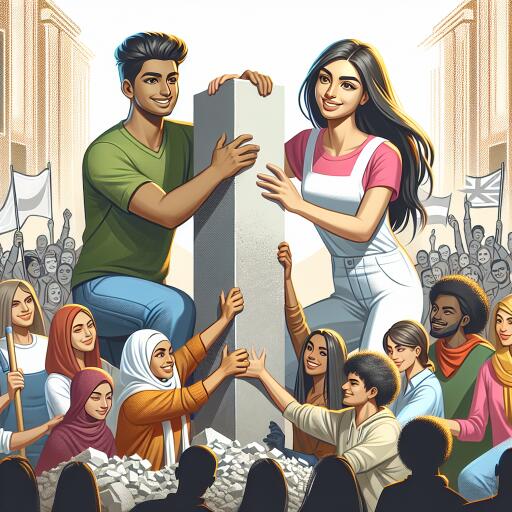
The Role of Youth in Nation Building.
Youth are the engine of national progress. Their energy, creativity, and fresh ideas can shape a nation’s future—if they are educated, skilled, and empowered. When young people are given the tools and opportunities to contribute, they become a powerful force for economic growth, social transformation, and responsible leadership.
Driving Economic Growth and Innovation
Young people strengthen the economy by entering diverse professions—business, technology, education, medicine, and public service. Their dedication increases productivity and brings new solutions to long-standing problems. Many become entrepreneurs, creating jobs and fostering innovation and competition. With the right support systems—such as access to finance, mentorship, and fair regulations—youth-led startups can turn ideas into sustainable businesses that boost national prosperity.
Education as the Foundation
Education equips youth with knowledge, discipline, and critical thinking. Schools, colleges, and universities nurture responsibility, teamwork, and leadership—qualities that underpin effective citizenship. An educated young population is better able to understand complex social and economic issues, challenge harmful norms, and craft practical solutions. Quality education is not just about degrees; it is about building character, ethics, and a lifelong curiosity to learn and improve.
Skills for a Changing World
In a fast-evolving economy, skill development is essential. Technical abilities—such as programming, data analysis, digital marketing, design, and problem-solving—are increasingly valuable across sectors. Equally important are soft skills: communication, collaboration, adaptability, and time management. Training programs, apprenticeships, and online learning can help youth gain employable skills, compete globally, and contribute to national income through innovation and productivity.
Champions of Social Change
Youth are often the first to question outdated practices and advocate for fairness, inclusion, and human dignity. By promoting equality, justice, and environmental responsibility, they push society toward better norms and policies. Constructive activism—rooted in facts, empathy, and dialogue—can reduce polarization and accelerate positive reforms in education, healthcare, climate action, and community development.
Civic Responsibility and Good Governance
Nation building requires responsible citizenship. Young people should understand their rights and duties, participate in elections, and engage respectfully in public debate. Supporting transparent leadership and merit-based systems strengthens institutions and builds trust. When youth reject corruption, disinformation, and intolerance—and instead champion accountability and the rule of law—they help secure stability and long-term progress.
Technology and Responsible Communication
Digital tools give youth a powerful voice. Social media can raise awareness, mobilize volunteers, and share knowledge. Yet influence brings responsibility: verifying information, avoiding harmful content, and promoting constructive dialogue are essential. Digital literacy—knowing how to research, cross-check sources, protect privacy, and engage ethically—ensures that technology becomes a bridge to progress rather than a source of division.
Volunteerism and Community Service
Volunteer efforts by young people—tutoring, disaster relief, environmental cleanups, health campaigns, and support for vulnerable groups—strengthen social bonds and build empathy. These experiences teach teamwork, leadership, and problem-solving while nurturing a spirit of unity. Small acts of service, multiplied across communities, create a powerful culture of care and resilience.
Overcoming Challenges Together
Youth face real obstacles: unemployment, unequal access to quality education, financial barriers, and limited opportunities. Without guidance, frustration can grow. Governments, educational institutions, businesses, and civil society must invest in youth development—through quality schooling, career counseling, internships, fair hiring, entrepreneurship support, and safe spaces for creativity and sports. Partnerships between public and private sectors can open pathways to decent work and innovation.
The Role of Family and Mentors
Families and mentors play a vital part in shaping values and aspirations. Encouragement, honest feedback, and emotional support help youth persevere through setbacks. Positive role models—teachers, coaches, community leaders, and professionals—can guide young people toward ethical choices and meaningful careers, turning raw talent into lasting impact.
Personal Responsibility and Lifelong Growth
Ultimately, youth must take ownership of their growth. Continuous learning, self-discipline, and integrity are non-negotiable. Setting clear goals, seeking feedback, building healthy habits, and learning from failure lay the groundwork for success. Instead of blaming circumstances, proactive young people find ways to upskill, collaborate, and contribute—transforming challenges into opportunities.
Conclusion
Youth are the heartbeat of nation building. With education, skills, values, and opportunities, they can accelerate economic growth, strengthen institutions, and uplift communities. Investing in youth is not optional; it is essential for sustainable development and a brighter future. When young people lead with vision and responsibility, the entire nation moves forward—stronger, fairer, and more united.