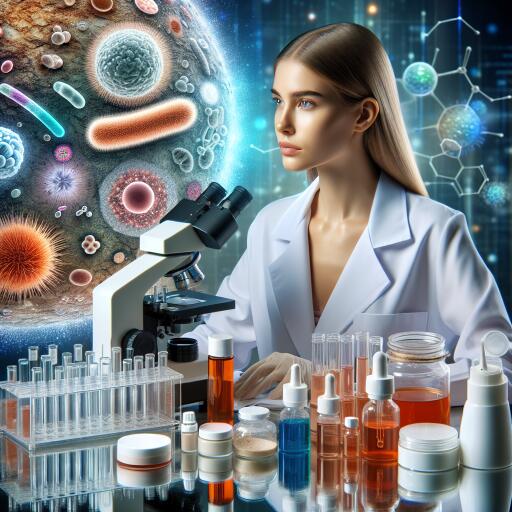
How microbiome science is reshaping the future of beauty innovation
As research deepens the link between the skin’s microbiome and skin health, aging, and common conditions, microbiome-aware beauty is moving from curiosity to cornerstone. Major players are investing, and momentum now spans skin, scalp, oral care, deodorants, and hair care—signaling a long-term shift rather than a fleeting trend.
From niche topic to formulation foundation
Microbiome science has rapidly moved out of academia and into everyday product development. Recent market intelligence shows strong growth in global launches making microbiota-related claims since 2018, reflecting how brands are weaving microbial considerations into the earliest stages of R&D. The microbiome is no longer an add-on; it is shaping how products are conceived, tested, and positioned.
R&D is shifting: support the ecosystem, not just symptoms
Instead of formulating solely to counter dryness, redness, sensitivity, or breakouts, developers are asking how to support the living ecosystem that helps skin function well in the first place. Skin is a biological habitat, hosting billions of microorganisms that influence immunity, inflammation, and resilience. When that balance is maintained, the skin barrier is stronger and more adaptable. When it’s disrupted, the door opens to sensitivity and chronic concerns.
Opportunity meets responsibility
Consumers are increasingly drawn to science-backed beauty. They read labels closely, question claims, and expect clear explanations of mechanisms and outcomes. Prebiotic and probiotic concepts resonate because they offer a biological rationale that feels intuitive: nourish what protects you. Many consumers already associate these ingredients with stronger barrier function and fewer blemishes.
Yet translating a complex, living system into a simple product story is not trivial. The microbiome is not a single active that can be sprinkled in; oversimplification risks turning meaningful science into marketing gloss. Integrity matters. Retailers and brands are now gatekeepers, tasked not only with delivering performance but also with ensuring that the science behind claims is credible, contextualized, and not opportunistic.
Clear market signals
Category data reflects the shift. In Europe, the share of soap, bath, and shower launches linked to the microbiome has more than doubled in recent years. In APAC, skin care launches that reference microbiome concepts and barrier support have grown sharply from negligible levels to a notable share of the market. These trends underscore a broader recalibration toward skin ecology and long-term resilience.
A more holistic vision of beauty
Microbiome science is dissolving traditional category boundaries. Gut health can influence skin inflammation through immune pathways. The scalp’s microbial balance can affect hair retention, density, and scalp comfort. Even textiles—via friction, moisture retention, and finishes—can modulate the skin’s microbial communities. As these connections enter mainstream understanding, consumers are adopting a more systemic view of beauty and wellness. In some markets, the vast majority of acne-prone shoppers already believe the skin’s microbiome plays a positive role in barrier health—evidence that the narrative resonates globally.
Designing for microbial harmony
For formulators and suppliers, this is a blueprint for cross-category innovation. Products can be designed not only for immediate functional performance but for their compatibility with the skin’s ecology over time. That means considering surfactant systems that cleanse without over-stripping, humectants and lipids that reinforce barrier function, and active strategies—such as prebiotics or postbiotics—intended to encourage a balanced microbial environment. Packaging, preservation, and usage patterns also come into play, ensuring stability and safety without unnecessary disruption to microbial harmony.
Standards, collaboration, and shared language
Microbiome science sits at the intersection of dermatology, microbiology, immunology, chemistry, and materials science. No single organization can progress it alone. Collaboration among researchers, brands, retailers, certification bodies, and regulatory experts will be essential to establish robust testing methods, avoid misuse of terminology, and build consistent standards that protect consumers and reward genuine innovation.
Equally important is clarity in communication. As microbiome concepts go mainstream, the industry must keep language accurate, human, and grounded in evidence. Consumer trust is powerful—and fragile. Clear definitions, realistic promises, and transparent testing protocols can prevent confusion and fatigue while elevating products that truly make a difference.
What’s next
The most compelling opportunity lies in reframing beauty around biological intelligence. Instead of “stripping, sanitizing, correcting,” the next generation of products emphasizes “supporting, harmonizing, respecting” the skin’s ecology. Done responsibly, microbiome-led innovation aligns efficacy with physiology: fewer short-term trade-offs, more durable results. The future of beauty will likely be defined by products that work with invisible ecosystems to build stronger, more resilient skin—and, by extension, a healthier relationship between consumers and their care routines.