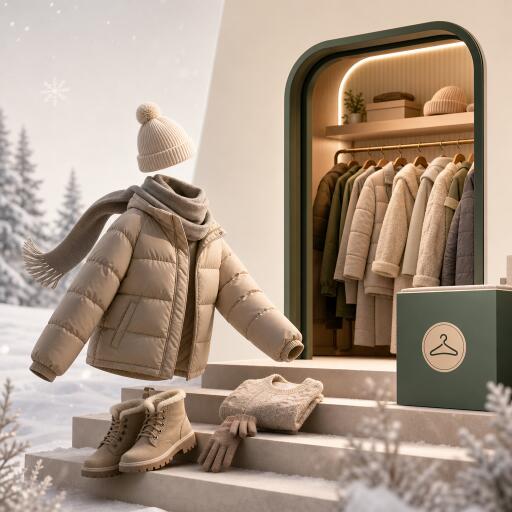
Winter Wear Steps Into The Rental Zone
As winter approaches, many of us dust off sweaters, shawls and jackets for the season ahead. The familiar ritual also raises the same questions every year: what still fits, what still feels stylish and what new pieces will we actually need?
For daily use, a beloved cardigan or pullover often does the job. But holidays, treks and special events change the calculus. If you live in a city with mild winters, buying bulky gear for a single trip can feel wasteful — especially once you add up the total bill for the entire family, and the hassle of cleaning, storing and maintaining it all year.
Why Renting Winter Wear Makes Sense
Rentals target a very specific problem: winter gear often has a high purchase price and low year-round usage. That makes it a strong candidate for the shared economy. In India, several startups now offer winter apparel rentals, with week-long packages starting under ₹1,000 and daily rates that fit easily into a travel budget. Options range from thermals and insulated parkas to snow boots and trek gear, sometimes bundled into curated travel wardrobes.
Globally, rentals near ski resorts have long served tourists who prefer not to buy heavy-duty clothing for short trips. What’s different in India is the broader positioning: platforms here are experimenting with rentals as an everyday alternative to buying premium winterwear, not just as a resort-side convenience.
Where’s The Ceiling?
The logic is straightforward: products with high average selling price and low frequency of use are ideal for sharing. Founders in this space believe momentum is building, even if the category is still small. Rentals also concentrate on premium pieces that are either hard to find or too expensive to justify for a couple of trips.
Price psychology plays a big role. Fashion renting tends to work best when the retail tag is in the ₹6,000–₹8,000+ range and the wearer expects two or fewer trips. Typical rental pricing of 10–20% of retail per week means a ₹10,000 parka at around ₹1,500 for seven days is compelling. But if a jacket costs ₹3,299 to buy, a similar weekly rental fee quickly becomes less attractive than ownership. Categories that benefit most include heavy parkas, ski and snow suits, snow boots and technical trek gear. Frequency can be the ceiling: by the third similar trip, many customers choose to buy.
Travel, Trends And The Rental Paradox
Travel is both the engine and the paradox. As more people plan winter holidays, rental opportunities increase — but so does the likelihood of purchase for frequent travelers. That’s why platforms cannot sell only on affordability; they also pitch variety and freshness. Renting lets customers switch styles and performance features to match each itinerary: a sleek trench for a city break, a technical parka for sub-zero conditions and a colorful ski jacket for the slopes, without committing to a single expensive wardrobe.
Social media also nudges behavior. Travelers who want distinct looks for each trip may keep renting even when they can afford to buy. Meanwhile, the old stigma around rented clothing is fading, especially in metros and among younger, value-conscious shoppers.
What Will Help Platforms Scale
Two levers matter most: discovery and experience. Customers need to find the right product easily — by destination, temperature, activity and duration — and receive it on time, in impeccable condition, with frictionless returns. Distribution matters too; this category is tied to travel cycles and destination demand, so partnerships with tour operators, hospitality brands and travel planners can unlock growth.
Some players also pursue a second revenue stream by reselling retired rental stock. This requires a steady audience and clear quality standards, but it can improve asset recovery and reduce inventory waste.
Beyond The Season: Getting The Unit Economics Right
Once a coat returns from a trip, it must be inspected, cleaned and prepared for the next renter. Reverse logistics is non-negotiable: convenient return pickups, fast turnarounds and stringent quality checks keep the model viable. Many platforms handle dry cleaning and off-season storage in-house or with trusted partners to control costs and ensure consistency. Some run multi-point checklists before each dispatch to maintain product performance and hygiene.
The key metric is rentals-per-SKU — how many times each item is rented over its usable life. Margins are embedded in the rental fee, but profitability depends on utilization, longevity and refurbishment costs. Think of this like furniture or appliance rentals: the business works when a large share of inventory is out on rent, items last through multiple cycles and refurbishment is efficient. Apparel, however, typically has a shorter lifespan than hard goods, so quality, repairs and responsible rotation matter even more.
Seasonality adds another layer. Winter demand is concentrated in a few peak months and travel windows, so annual utilization can be lumpy. Startups track how much inventory is out on rent during and beyond peak season, how quickly items return to circulation and how often customers come back for different itineraries. Over time, these data points shape what to stock, in what sizes and styles, and when to retire or resell an item.
The Road Ahead
Winter wear rentals in India are still an experiment — promising, but early. The value proposition is clear for premium, low-frequency use cases, especially when wrapped in a great experience: precise fit and warmth guidance, curated bundles by temperature and activity, sleek styles for photos and easy pickup and return. The winners will combine sharp merchandising with operational excellence and intelligent partnerships across the travel ecosystem.
As this season unfolds, the big questions remain: Will customers come back for their next itinerary? Can platforms keep inventory in circulation long enough to out-earn its cost, even with cleaning and logistics? And can they smooth out seasonality with adjacent categories and smarter distribution? The answers will determine how far — and how fast — winter wear can step into the rental zone.