COP31 electric push tests Europe’s political realities | Ron Bousso
Europe’s climate ambitions are confronting increasingly difficult economic and political realities as COP31 delegates seek to accelerate global electrification.
Turkey, the host of this year’s climate summit, is encouraging governments to support a pledge to raise electricity’s share of global energy consumption from about 20% today to 35% by 2035.
Electrification is central to cutting greenhouse gas emissions. Replacing petrol-powered cars, gas boilers, furnaces and other fossil fuel equipment with electric alternatives could substantially reduce emissions, particularly if the electricity comes from low-carbon sources. The challenge is becoming more urgent as artificial intelligence and data centres drive rapid growth in power demand.
Yet electrification is only as clean as the system generating the electricity. China and the United States are among the countries planning to meet some of their growing power needs with natural gas and coal.
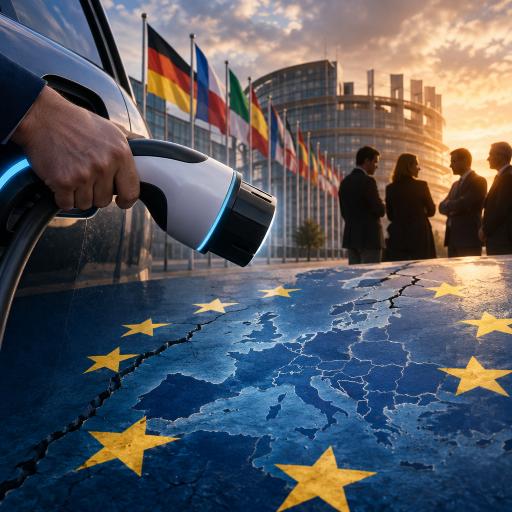
The European Union is pursuing a cleaner route and hopes to become the world’s first “electro-continent.” However, its plans are being tested by trade tensions with China, energy-market disruption and growing domestic resistance to expensive climate policies.
Dependence on Chinese technology
The EU plans to increase electricity’s share of final energy consumption to roughly 46% by 2040. Achieving this goal would require faster deployment of electric vehicles, heat pumps, wind turbines, solar panels and supporting infrastructure.
Greater electrification could reduce Europe’s dependence on imported oil and gas while improving energy security. Brussels estimates that meeting the target could cut annual fossil fuel import costs by €260 billion by 2040.
The technical and financial obstacles are significant, but Europe’s dependence on imported clean-energy technology may prove even more difficult.
China dominates supply chains for solar panels, batteries, electric vehicles, magnets and rare-earth materials. It manufactures about three-quarters of the world’s electric vehicles and more than 80% of its battery cells. It is also the main source of the EU’s imported solar modules, while Chinese companies are gaining ground in Europe’s wind turbine market.
This creates a strategic contradiction. The faster Europe electrifies to reduce its reliance on imported fossil fuels, the more it may depend on its largest industrial competitor.
The imbalance is already visible in trade figures. The EU’s trade deficit with China reached €359.9 billion in 2025, increasing by more than 20% from the previous year. Imports of competitively priced Chinese electric vehicles have become a particular concern because they threaten Europe’s large automotive industry.
Brussels has responded by imposing tariffs of up to 45% on Chinese electric vehicles. The EU is also attempting to expand domestic production of clean technologies and critical raw materials. Building competitive factories, processing facilities and supply chains, however, will take years.
Energy security takes priority
The war involving the United States and Iran has added another challenge. Disruption to Gulf oil and gas exports through the Strait of Hormuz has pushed European energy prices sharply higher. Diesel exceeded $200 a barrel, while natural gas prices climbed to their highest levels since 2022.
The shock reinforces the long-term case for electrification, but it has also forced governments to focus on immediate energy security. Britain, Greece and Romania are among the countries seeking to increase domestic fossil fuel production or soften policies intended to reduce consumption.
EU governments have also agreed to delay rules requiring importers of oil, gas and coal to report methane emissions. Officials fear that imposing additional requirements during a supply crisis could make securing energy more difficult.
Higher prices have once again led governments to subsidise fossil fuel consumption. Since March, European countries including Germany, France, Spain and Britain have announced more than €40 billion in tax reductions and subsidies to protect households and businesses from rising costs.
A narrowing political path
Public pressure may intensify as voters face higher bills and concerns about industrial competitiveness. Right-wing parties in France, Germany and other countries increasingly present support for fossil fuels—and opposition to expensive net-zero measures—as central political themes.
Europe is therefore being pulled in several directions. Floods, wildfires and heatwaves underline the immediate dangers of climate change. At the same time, governments must protect consumers, preserve industrial jobs, secure reliable energy supplies and limit dependence on China.
The environmental case for electrification is becoming stronger, but the economic and political room needed to deliver it is shrinking. COP31 may produce ambitious pledges, yet Europe’s ability to fulfil them will depend on whether it can make the transition affordable, secure and industrially sustainable.