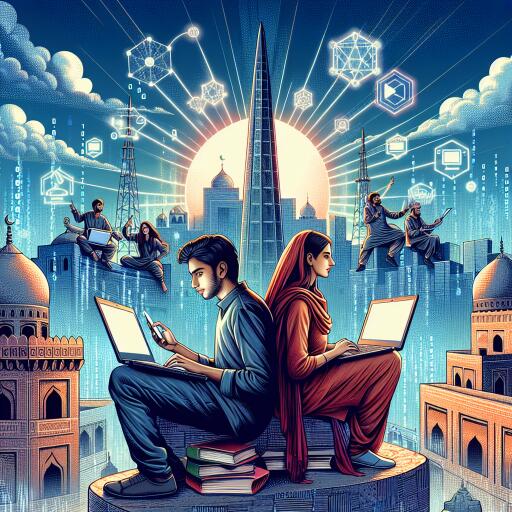
Digital Skills Revolution: How Freelancing is Reshaping Pakistan’s Future
Across Pakistan, a quiet transformation is unfolding—not in factories or boardrooms, but in homes, hostels, and small towns where young people are earning from global markets with nothing more than a laptop and reliable internet. This transformation is freelancing, and it is redefining how work, skills, and opportunity are understood.
The Rise of Remote Work
As internet access has expanded from major cities to smaller towns and rural communities, more Pakistanis are stepping onto global digital platforms. Geography matters less than ever; talented individuals from places once overlooked by traditional employers now compete internationally. With a device, connectivity, and the right skills, they can offer services far beyond local markets.
Skills-First Learning
Another driver of this surge is the shift toward skill-based education. Short online courses, bootcamps, and community-led training programs are equipping youth with practical capabilities in areas like digital marketing, SEO, graphic design, video editing, and e-commerce. Many of these resources are low-cost or free, helping learners become employable quickly and build independent income streams.
Why Freelancing Appeals
- Flexibility: Freelancers choose their hours, projects, and niches, often working around studies or family commitments.
- Income Potential: Earnings are tied to skill, specialization, and consistency—not fixed salaries. With experience, rates and project sizes grow.
- Global Exposure: Working with international clients expands professional networks and sets higher standards for quality and communication.
For many, the result is a faster path to financial stability than traditional entry-level jobs, with opportunities to experiment, specialize, and eventually scale into agencies or product ventures.
Economic Ripple Effects
Freelancers delivering services to overseas clients bring valuable foreign income into the country. This strengthens the digital economy, supports ancillary businesses from coworking spaces to payment services, and builds a stronger international reputation for Pakistani talent. As portfolios and success stories multiply, more young people are inspired to follow similar paths, creating a cycle of growth.
The Real Challenges
Freelancing is rewarding, but it is not effortless. Key hurdles include:
- High Competition: Millions of professionals worldwide offer similar services. Standing out requires strong portfolios, niche expertise, and consistent quality.
- Consistency and Resilience: Early rejection is common. Success often comes after months of refining skills, profiles, and proposals.
- Client Communication: Clear writing, timely updates, and reliable delivery build trust and repeat business.
- Continuous Improvement: Markets evolve quickly. Those who do not upskill risk being left behind.
Keeping Up with Technology
Artificial intelligence and automation are reshaping how work gets done. Rather than replacing freelancers, these tools often become productivity boosters—if used wisely. Professionals who learn to integrate AI for research, content optimization, design iterations, data analysis, or code assistance can deliver faster, higher-value results. The most resilient freelancers regularly refresh their toolkits, track market trends, and present clear, outcome-focused portfolios.
Social Impact and Inclusion
Freelancing is unlocking new possibilities for groups historically excluded from traditional workplaces. Students can fund their education, parents can balance caregiving with income, and women can access meaningful work from home in culturally comfortable settings. Most importantly, it loosens the long-standing link between opportunity and location, enabling talent from small towns to shine on a global stage.
The Road Ahead
Pakistan’s freelancing future looks bright. To fully realize its potential, a few priorities matter:
- Strengthen Digital Education: Expand practical, industry-aligned training and promote lifelong learning.
- Improve Infrastructure: Reliable, affordable internet and power are essential for consistent delivery.
- Encourage Professional Standards: Mentorship and communities that promote ethics, deadlines, and quality raise the bar for everyone.
- Support Entrepreneurship: Guidance on pricing, taxes, contracts, and client management helps freelancers move from gig work to sustainable businesses.
Conclusion
Freelancing in Pakistan is more than a trend—it is a gateway to independence, innovation, and inclusive growth. By pairing skills with professionalism, young people are building global careers from their own communities and contributing to the national economy. With continued investment in education, infrastructure, and supportive ecosystems, Pakistan can cement its place as a leading hub for remote digital services—and ensure that this revolution lifts even more lives in the years ahead.