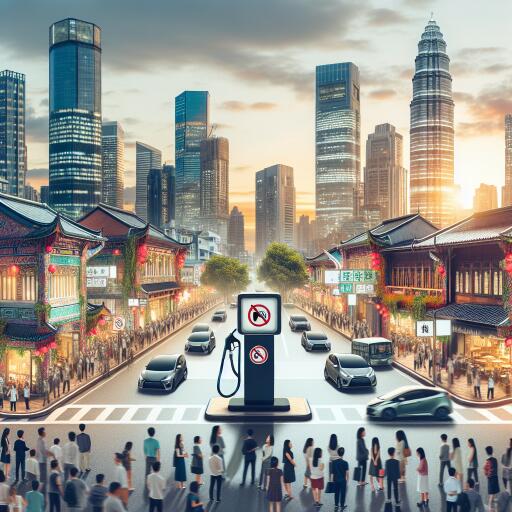
Ho Chi Minh City plans to ban petrol vehicles downtown in EV push
Ho Chi Minh City is preparing measures to restrict petrol vehicles in its downtown core as part of a broader drive to accelerate electric vehicle adoption, mirroring plans for similar curbs in central Hanoi that are slated to begin in July.
Under the roadmap being considered, the city is targeting a significant shift toward electric two-wheelers in specific segments: by 2027, electric motorbikes are expected to account for 50% of those used by government officials and by ride-hailing service providers. The intent is to cut urban air pollution, reduce noise, and support a cleaner transport system while keeping people and goods moving efficiently in Vietnam’s largest metropolis.
Downtown restrictions under consideration
The proposed downtown measures would limit or bar petrol-powered vehicles from designated areas, particularly during peak hours, to improve air quality and create safer, more walkable streets. Details on boundaries, timing, and enforcement mechanisms are being developed, with authorities expected to refine the plan through consultations and pilot phases before wider rollout.
Supporting the shift to electric mobility
Officials have signaled that supporting infrastructure and incentives will be critical to success. Areas of focus are likely to include:
- Expanding public and private charging networks for both two-wheelers and cars, including parking garages, residential buildings, and workplaces.
- Incentives and fleet-conversion programs for ride-hailing and delivery operators to accelerate the switch to electric motorbikes.
- Preferential access or parking for EVs in restricted zones, helping ensure mobility while improving local air quality.
- Integration with public transport upgrades, so commuters have reliable, lower-emission alternatives.
Coordination with Hanoi’s upcoming curbs
The initiative aligns with steps in central Hanoi, where restrictions on petrol vehicles are scheduled to begin in July. The two cities are moving toward a similar end goal: creating low- or zero-emission zones in dense urban cores while building the infrastructure and policies needed to support EV adoption.
Implications for residents and businesses
For commuters and businesses, the shift will bring changes but also opportunities. Ride-hailing and delivery platforms, in particular, will play a central role in meeting the 2027 target for electric motorbikes. Retailers, logistics providers, and property managers may be encouraged to provide charging facilities and adjust operations to the evolving rules.
As policies are finalized, residents can expect a phased approach, with clear timelines and guidance on vehicle access, exemptions for essential services, and procedures for registering EVs for zone access. Public feedback and pilot programs are likely to inform the final design of the downtown restrictions.
Why the push matters
Ho Chi Minh City’s move reflects broader trends in urban policy: reducing congestion and emissions, improving public health, and supporting new industries tied to clean mobility. Electric two-wheelers, already popular in Vietnam, are poised to expand further as charging becomes more convenient and total cost of ownership continues to improve.
What to watch next
- Publication of detailed maps and schedules for the downtown restrictions.
- Announcements on incentives for EV purchases and fleet conversions.
- New charging infrastructure projects in residential and commercial areas.
- Guidelines for ride-hailing and delivery operators to reach the 2027 target.
As the city finalizes its plans, residents, businesses, and mobility platforms can prepare by exploring electric options—especially two-wheelers—evaluating charging needs at home or work, and staying alert to official updates on timelines and compliance requirements.