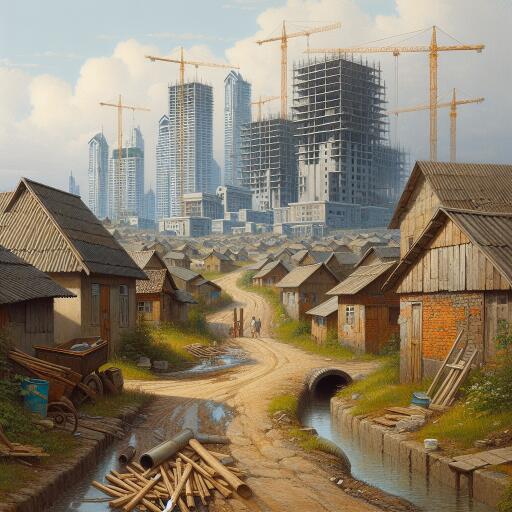
Masii: From sleepy town to fast-growing hub without sewerage system
Masii, once a quiet rural trading post in Machakos County, is rapidly reshaping itself into a thriving commercial centre. New buildings, busier streets and swelling markets point to a town on the rise. Yet beneath this momentum lies a stark shortfall: Masii still lacks a sewerage system, and improvised waste disposal is straining public health and the environment.
A strategic gateway fuels growth
Set along the Machakos–Kitui corridor and serving travellers toward Kitui, Mbooni and Tawa, Masii has become a convenient stop for fuel, food and supplies. The steady flow of vehicles has turned what used to be a sleepy outpost into a buzzing waypoint for commuters and long-distance travelers alike.
“Nearly every vehicle to Kitui, Mbooni or Tawa stops here for a break. Those stopovers keep many families in business,” says matatu driver Kioko Kisoi, who plies the Machakos–Masii route.
The constant footfall has nurtured roadside eateries, kiosks and general shops, making the town a dependable service point for the region.
Population up, skyline changing
Rising population has intensified demand for housing, retail space and amenities. What were once mud-and-brick storefronts are steadily giving way to multi-storey rentals, modern shops and denser commercial blocks. The visual shift signals growing investor confidence and Masii’s evolution into a small urban centre.
“In just a decade the town has changed dramatically—more buildings, more businesses, more people coming to trade or work,” notes shop owner Peter Mutinda.
Schools and skills anchor the town
Education has been a powerful catalyst. Institutions such as Masii Boys High School and AIC Masii Girls High School, alongside private academies and training centres, attract learners from across the region. This movement brings steady economic activity to landlords, shopkeepers and service providers.
“Students arrive from neighbouring areas and even other counties, and that traffic keeps the local economy moving,” says retired teacher John Nzuki.
Finance expands; markets stay vibrant
The spread of banks and microfinance outlets has made it easier for traders, farmers and salaried workers to save, borrow and transact locally—services that once required trips to Machakos town.
“We no longer travel far to deposit money or access loans. It’s all here now,” explains vegetable trader Mary Ndinda.
Agriculture remains the backbone. Farmers supply maize, beans, green grams, fruits and vegetables to open-air markets, while livestock traders bring goats and cattle. On market days, Masii hums with activity, drawing buyers and sellers from Mwala and beyond. For many young people, this ecosystem offers work without migrating to bigger towns.
Construction boom and rising land values
Economic momentum has sparked a brisk building spree. Developers are adding rental units, hostels and commercial spaces to meet swelling demand. Land prices have climbed sharply: plots that a decade ago sold for roughly Sh550,000–Sh600,000 can now fetch up to Sh2 million.
New hardware stores, pharmacies, supermarkets and electronics shops line the main road, reflecting both local spending power and outside investment. Some investors have arrived from as far as Nairobi and Mandera, encouraged by the town’s stability and growth prospects.
“The population increase and general stability make Masii an attractive bet,” says investor Mohammed Dagane.
Success outpacing essential infrastructure
Despite the progress, infrastructure has not kept up—most critically in sanitation. Without a central sewerage network, many properties resort to open drains or makeshift pits, heightening the risks of contamination, foul odours and disease outbreaks, especially during rains. Residents fear that certain neighbourhoods are becoming health hazards.
Other gaps compound the strain:
- No modern, well-organised market to handle rising volumes of fresh produce and livestock
- Inadequate public transport infrastructure, including the absence of a proper bus terminus
- Frequent water shortages that disrupt households and small businesses
- Limited healthcare facilities relative to the growing population
Left unaddressed, these weaknesses could blunt Masii’s long-term economic potential and diminish quality of life for residents and visitors alike.
From livestock outpost to urban node—and what comes next
For those who have watched Masii’s evolution, the change feels both remarkable and bittersweet. The tarmac road to Kitui and Tawa in the early 1980s set the stage, drawing trade and people; the past decade’s surge in construction and commerce has accelerated the shift from rural outpost to urban node.
“I’ve seen Masii grow from a livestock market with a few mud shops into a town of modern buildings,” recalls longtime resident Mutinda.
To sustain this trajectory, residents point to a clear to-do list: a town-wide sewerage system and proper drainage, reliable water supply, an organised market, a functional bus park, and expanded healthcare capacity. With targeted planning and investment, Masii can protect public health, support businesses and lock in the gains that have made it one of Machakos County’s most dynamic emerging hubs.