TOR to refine Ghanaian crude oil from June 2026 – Mahama – Adomonline.com
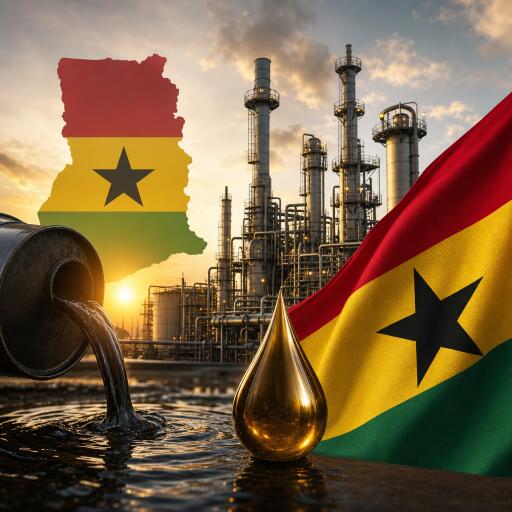
President John Dramani Mahama has announced that the Tema Oil Refinery (TOR) will start processing Ghana’s own crude oil in June 2026. He framed the move as a decisive step to add value locally, reduce dependence on imported refined products, and revive an initiative he said began during his earlier tenure.
Reviving local refining
Addressing a diaspora town hall meeting in London on Sunday, May 31, 2026, President Mahama said the first shipment of crude from Ghana’s offshore fields will be delivered to TOR for processing. He described the development as “making history again,” noting that the effort to refine domestically stalled after his previous administration left office but is now being restored.
According to him, refining more crude at home will keep more value within the economy, help stabilize fuel supply, and support jobs in the downstream petroleum sector. He emphasized that Ghana must exert greater control over its natural resources to capture a larger share of the benefits throughout the value chain.
Cutting reliance on raw commodity exports
President Mahama criticized a longstanding pattern in which Ghana exports raw minerals and other resources, only to import finished products at higher cost. He argued that by exporting ores such as gold, bauxite, and manganese without substantial local processing, the country effectively outsources job creation and forfeits opportunities for industrial growth.
He said TOR’s planned processing of Ghanaian crude should be seen as part of a broader strategy to increase domestic value addition across sectors, encourage ancillary industries, and reduce the import bill for refined fuels and manufactured goods derived from the country’s own raw materials.
Energy sector finances and gas supply
President Mahama disclosed that when his administration took office, the energy sector faced a heavy financial burden, including legacy debts estimated at about US$1.5 billion. He further noted that a US$500 million World Bank Partial Risk Guarantee—intended to back payments for gas supplied by ENI and its partners from the Sankofa Field—had been entirely drawn down before his government assumed office.
He said the guarantee has since been fully restored to US$500 million through coordinated work by the Energy and Finance ministries. With the guarantee back in place, gas deliveries have increased, supporting more reliable power generation. This, he indicated, is a key factor in improving system stability and reducing the cost of electricity over time.
New investments to boost production
On upstream oil and gas, President Mahama reported that partners in the Jubilee Field have committed approximately US$2 billion to drill additional wells aimed at increasing production. He added that ENI is expected to invest about US$1.5 billion in the Offshore Cape Three Points (OCTP) project to further raise output.
He said these investments will complement the TOR initiative by expanding domestic feedstock availability, while also improving Ghana’s foreign exchange earnings through higher oil and gas production.
Stabilizing the power sector
The President stated that government has refinanced outstanding debts owed to independent power producers and agreed on structured payment plans. He said regular payments have restored confidence among producers, spurred consistent generation, and contributed to a more stable power sector.
In his view, combining prudent financial management with increased gas supply and upstream investment is creating a stronger energy ecosystem. He argued that local refining at TOR will round out this approach by delivering additional resilience to fuel supply and helping insulate the country from volatility in international refined product markets.
Outlook
With TOR set to refine Ghanaian crude from June 2026, the administration is positioning the move as a milestone in the country’s quest for greater self-reliance and value addition. If sustained, the policy mix—local refining, enhanced gas deliveries, and expanded upstream investment—could deepen industrial capacity, support jobs, and reduce the economy’s exposure to external supply shocks.