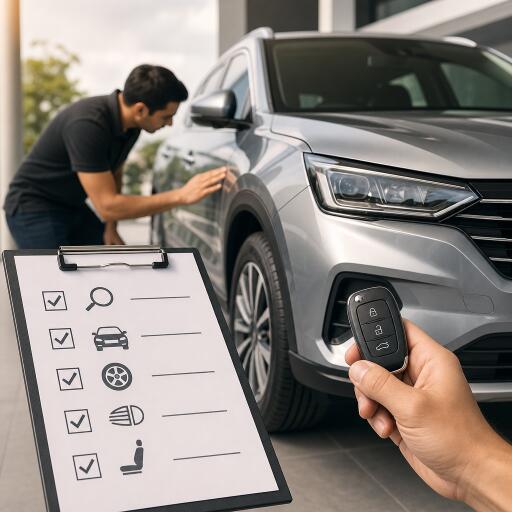
Pre-delivery inspection: What you must check before taking a new car delivery – Introduction | Autocar India
Taking delivery of a new car is thrilling, but it’s also the moment when small oversights can become costly hassles later. A meticulous pre-delivery inspection (PDI) helps ensure the car’s condition and equipment match what you paid for. Do the inspection in bright, even lighting, and if possible, take along a knowledgeable friend to help spot issues. Take your time; a careful check now prevents headaches after you drive away.
Exterior walkaround
- Body panels: Look at the car from multiple angles. Check for dents, scratches, touch-up or repaint marks, swirl marks, uneven panel gaps, and misaligned bumpers or trims.
- Paint and rust: Scan for faded areas, chips, overspray, or early rust spots, especially on lower door edges, sills, and around wheel arches.
- Glass and lights: Inspect the windshield, windows, and sunroof for chips, cracks, scratches, or distortion. Check headlamps, tail-lamps, fog lamps, and indicators for clear lenses and firm fitment.
- Trims and mirrors: Examine plastic cladding, roof rails, badges, and ORVMs for scuffs or loose fittings.
- Wheels and tyres: Check alloys/covers for scrapes. Inspect tyre tread, sidewalls, and confirm the manufacturing week/year (fresh stock is ideal). Don’t forget the spare wheel.
- Toolkit: Ensure the jack, wheel spanner, towing hook, and puncture kit or inflator are present and unused.
Doors, bonnet, and boot
- Operation: Open and close all doors, the bonnet, and boot. They should latch smoothly without creaks or resistance.
- Seals and beadings: Check rubber trims for tears, hardening, or gaps. Look for paint defects or rust at the door bottoms and sill areas.
Cabin and electronics
- Odometer: A low double-digit reading is normal. Question triple digits unless properly explained and documented.
- Upholstery: Inspect seats, door pads, headliner, and carpets for stains, cuts, or loose stitching. Lift floor mats and check for dampness or water marks.
- Seat function and belts: Test all seat adjustments (manual/electric) and verify belts retract and lock correctly.
- Switches and controls: Try every button—power windows, central locking, mirror adjust, steering-mounted controls, interior lights, hazard lights, and boot/fuel-lid releases.
- Infotainment: Check touchscreen responsiveness, audio output, Bluetooth pairing, Android Auto/Apple CarPlay, voice commands, and navigation where applicable. Look for glitches or dead pixels.
- Cameras and sensors: Test reverse camera, parking sensors, and 360-degree view systems for clarity and correct alerts.
- Air-conditioning: Confirm quick and even cooling, blower speeds, airflow modes, and any rear vents. No musty odours should be present.
- Charging and convenience: Verify USB ports, 12V sockets, wireless charger, ambient lighting, sunroof operation, and cooled glovebox if equipped.
- Instrument cluster: After engine start, ensure no warning lights remain on. Confirm the trip computer and other displays work correctly.
Under the hood
- Leaks and routing: Look for oil, coolant, or washer-fluid leaks, and check that hoses, belts, and wiring are well-routed with intact clips.
- Fluid levels: Confirm engine oil, coolant, brake fluid, and washer fluid are topped up to recommended levels.
- Battery: Inspect terminals for tight fitment and no corrosion.
- Startup and idle: The engine should start promptly and settle into a smooth idle without unusual noises or vibrations.
- Steering check: Turn the wheel lock-to-lock while stationary; movement should be smooth without knocks.
Short test drive
- Noises and vibrations: Listen for rattles, squeaks, or suspension thuds. A new car should feel tight and quiet.
- Straight-line stability: The car should track straight with no steering pull under acceleration or braking.
- Brakes: Pedal feel should be progressive; there should be no grinding or judder.
- Engine and gearbox: Acceleration should be smooth, with seamless gear changes. For automatics, check D/R engagement and manual or paddle modes if available.
- Clutch (manuals): Engagement should be smooth without slipping or excessive hardness.
Documents and handover items
- VIN and engine number: Match these exactly with the invoice, insurance, and registration records.
- Odometer and variant: Confirm the variant, colour, and features match your booking and invoice.
- Keys and books: Collect both keys, owner’s manual, service schedule, and warranty booklet.
- Insurance and extended plans: Verify policy details, add-on covers (if any), and start date.
- Accessories: Cross-check billed accessories with what’s installed; keep invoices for all add-ons.
- Tyre/spare and tools: Ensure spare wheel or puncture repair kit is present and correct for the model.
If you find issues
- Minor defects: Scratches, missing items, loose trims, or software glitches should be recorded on a signed job card or delivery note. Approve delivery only after rectification, or get a written commitment with timelines.
- Serious concerns: Repaint evidence, rust, accident damage, water ingress, fluid leaks, persistent warning lights, abnormal noises, or unusually high odometer readings warrant requesting a different vehicle rather than repairs on a brand-new unit.
- Paper trail: Keep every commitment in writing, including parts on order and expected completion dates. Reinspect the fix before signing final paperwork.
- Final step: Do not make the final payment or sign the delivery acceptance until all items are resolved to your satisfaction.
A thorough PDI protects your purchase and ensures a trouble-free start to ownership. Set aside dedicated time, be methodical, and don’t hesitate to ask for clarifications or a replacement if the car doesn’t meet the standard you expect.