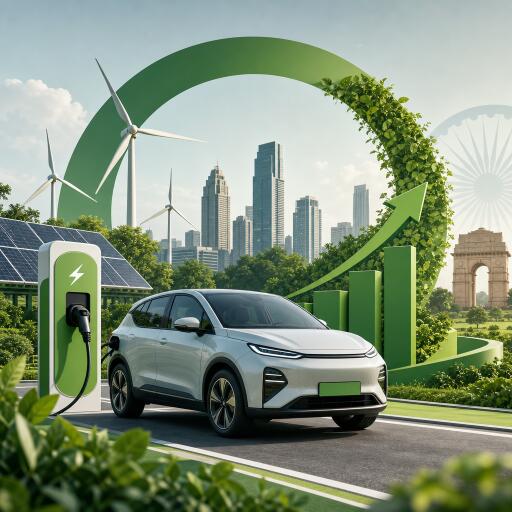
Green Growth Reforms Boost India’s Electric Mobility
India’s electric mobility push is accelerating on the back of green growth, streamlined environmental reforms, and a shift toward a circular economy. At a national industry forum in New Delhi, policymakers and industry leaders outlined how faster clearances, digital governance, and robust manufacturing ecosystems are aligning to make India a global hub for clean transportation technologies.
Reforms that enable sustainable, competitive growth
Recent administrative measures are designed to both protect the environment and speed up responsible industrial development. Key steps include:
- Faster, simplified environmental clearances that reduce approval timelines while maintaining safeguards.
- Expanded use of the PARIVESH digital platform, now supported by AI-enabled decision tools for transparent, data-driven governance.
- Longer validity periods for approvals to create predictability for investors and manufacturers.
- Targeted support for resilient supply chains, battery recycling, and responsible sourcing of critical minerals.
These reforms aim to improve the ease of doing business and lay the groundwork for a thriving circular economy, ensuring that ecological objectives move in step with industrial competitiveness.
Four priorities for the transition
Leaders emphasized that India’s mobility transition must be embedded within a broader vision of sustainable industrialization. Four priorities guide this approach:
- Green growth that decouples emissions from economic expansion.
- Improved quality of life through cleaner air, quieter streets, and safer mobility.
- Resilient infrastructure that supports large-scale electrification and grid stability.
- Transparent governance with digital tools to enhance accountability and speed.
This framework underscores a development model where ecology and economy reinforce one another, building long-term prosperity and competitiveness.
From environmental choice to strategic necessity
Electric mobility in India has evolved from an environmental preference to an economic and strategic imperative. While adoption is robust in the two- and three-wheeler segments, the next leap will come from rapid electrification of buses, commercial vehicles, and freight transport. With sustained policy support and active industry participation, India can scale manufacturing, deepen its technology base, and position itself as a global center for EV innovation.
Building world-class supply chains
Industry voices highlighted the momentum created by government initiatives, including newer programs that encourage domestic value addition and advanced technology manufacturing. The path forward calls for tight collaboration among government, industry, and academia to:
- Develop globally competitive EV and battery supply chains.
- Advance battery recycling to recover valuable materials and reduce imports.
- Cultivate a skilled workforce for design, engineering, and high-precision manufacturing.
Through coordinated action, India can accelerate localization of key components, improve cost structures, and enhance export readiness.
Design, engineer, manufacture—and export
India’s growing engineering capabilities and cost-effective manufacturing base create a pathway to serve not only domestic demand but also global markets. Strengthening partnerships across the ecosystem can unlock leadership in core technologies such as advanced chemistries, power electronics, and software-defined vehicles, enabling India to emerge as a hub for clean technology exports.
Public transport and state-level leadership
State policies and city-level initiatives are proving pivotal to scale. Successful urban EV programs provide templates for wider adoption—particularly for public buses and last-mile services—while guiding investments in charging infrastructure, depot electrification, and workforce training. As more states adopt comprehensive EV policies, the network effects of shared infrastructure and standardized practices will hasten the transition.
Collaboration for Viksit Bharat
The collective message is clear: India’s EV future will be built on sustainable infrastructure, transparent and digital-first governance, and robust domestic manufacturing. By aligning environmental stewardship with economic ambition—through faster reforms, collaborative innovation, and resilient supply chains—India is well placed to accelerate adoption across segments and establish itself as a leading global hub for electric mobility.