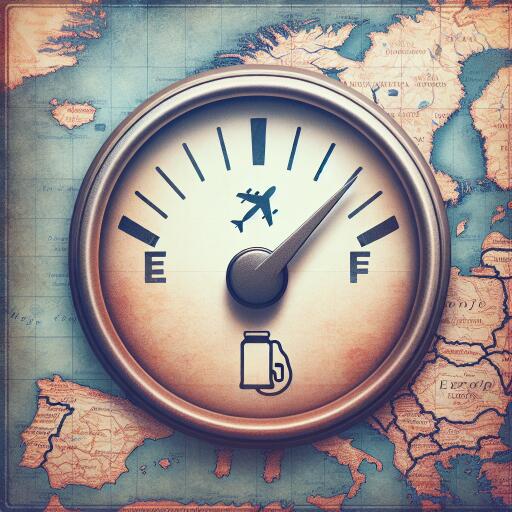
Europe has just ‘six weeks of jet fuel left’, warns energy chief
Europe could face jet fuel shortages within weeks if the Strait of Hormuz remains blocked, with flight cancellations a real possibility as peak summer travel approaches. The head of the International Energy Agency (IEA) has warned that the ongoing disruption is driving the most severe energy shock in decades, and that aviation fuel supplies in Europe may cover only around six weeks at current consumption if flows are not restored.
A chokepoint under pressure
The Strait of Hormuz is one of the world’s most critical maritime arteries for oil and liquefied natural gas. With shipments constrained by the regional conflict, global supply chains for crude and refined products are being squeezed. The IEA chief cautioned that the longer the waterway remains impaired, the more damaging the consequences will be for growth and inflation across advanced and emerging economies alike.
Consumers and businesses are already bracing for higher costs. Expect upward pressure on petrol and diesel at the pump, elevated wholesale gas, and pricier electricity in markets exposed to imported fuels. Refiners and airlines are competing for limited cargoes of middle distillates, including jet fuel, intensifying price spikes and logistical strains.
Asia first in the firing line, Europe next
Countries most dependent on Middle Eastern energy—particularly in Asia—are on the front line. Major importers such as Japan, South Korea, India, China, Pakistan and Bangladesh rely heavily on supplies that typically transit Hormuz. If the disruption persists, the ripple effects will extend further, tightening markets in Europe and the Americas as trade flows are rerouted and stockpiles are drawn down.
Europe’s aviation pinch
For Europe, the warning is stark: without a reopening of Hormuz, localized jet fuel shortages could emerge within a few weeks, and airlines may have to trim schedules or cancel flights on certain routes. Airport Council International Europe has already cautioned that inventories could come under acute pressure just as summer travel ramps up, a season that is vital for many tourism-driven economies.
Several carriers are reviewing contingency plans. Some have indicated they cannot rule out fuel supply risks at specific airports if the disruption extends into late spring or early summer. The immediate challenges include securing replacement cargoes, navigating longer shipping routes, and managing higher costs that could filter into fares.
Why this crisis is different
Energy markets have faced shocks before, but a sustained bottleneck at Hormuz simultaneously constrains crude, refined products, and gas, leaving fewer easy workarounds. Rerouting tankers around Africa adds time, cost and capacity strain, while alternative pipeline routes cannot fully compensate. As a result, price volatility and supply uncertainty are likely to persist until normal flows resume.
What airlines and airports might do next
- Increase fuel uplift at airports with stronger supply positions, including outside Europe.
- Re-route flights or add technical stops for refueling on long-haul services.
- Tap commercial and, where available, strategic product stocks to bridge shortfalls.
- Negotiate additional spot cargoes, though at higher premiums and with longer lead times.
- Adjust schedules or consolidate frequencies on lower-yield routes if constraints worsen.
Broader economic implications
Sustained disruptions risk pushing transport and freight costs higher, pressuring inflation just as central banks weigh rate cuts. Higher energy input prices can erode margins for airlines, logistics firms and energy-intensive industries, potentially slowing output. Tourism could also feel the pinch if flight availability tightens or fares rise materially during the high season.
Key signals to watch
- Status of shipping lanes and any diplomatic steps to reopen or secure Hormuz.
- Jet fuel cracks (margins) and freight rates, which reflect immediate supply tightness.
- Inventory data at major European hubs and announcements from airport fuel consortia.
- Airline schedule changes, fuel surcharges, or operational advisories.
- Policy responses, including coordinated stock releases or temporary logistical waivers.
The message from energy authorities is unambiguous: unless flows through the Strait of Hormuz normalize soon, Europe’s aviation sector faces a tightening fuel market that could bite within weeks. With inventories only able to cover roughly six weeks at today’s burn rates in a worst-case scenario, the next month and a half will be critical for airlines, airports and travelers across the continent.