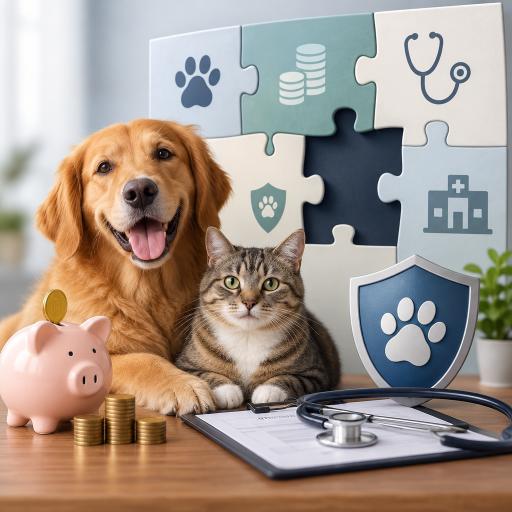
Paws, premiums, and the OPD puzzle: pet insurance offerings and gaps
Pets are increasingly treated as family members, but caring for them can become expensive when illness or injury strikes. As veterinary costs rise across India, pet insurance is gaining attention. However, outpatient exclusions, complex policy terms and uneven clinic infrastructure mean pet parents may still pay a large share of medical expenses themselves.
Interest in pet insurance is growing
Retail pet health insurance entered the Indian market around 2020. Early plans largely targeted owners of expensive purebred dogs and focused on accidents, surgery and hospitalization. Digital onboarding has since made policies easier to purchase, while insurers have expanded coverage and optional benefits.
Despite this progress, adoption remains below 1%. Many pet parents are either unaware of available plans or uncertain about what they cover. Even insured owners often rely on personal savings or credit cards for routine treatment.
What current policies cover
Most retail policies cover selected dog and cat breeds and impose entry-age restrictions. A pet generally needs to be at least three to six months old and no more than five or six years old when a new policy is purchased. Renewals may continue until the pet is seven to ten years old, depending on the insurer, breed and size.
Insurers are cautious about covering older animals because they are more likely to develop chronic conditions and submit claims. Buying cover while a pet is young and healthy can therefore improve eligibility and reduce the risk of exclusions.
Sum insured options generally range from ₹10,000 to ₹15 lakh. Basic annual plans may start at a few hundred rupees for limited surgery or hospitalization protection. More comprehensive policies can cost between approximately ₹1,700 and ₹7,000 a year, depending on age, breed, coverage and add-ons.
Core policies commonly cover:
- Hospitalization due to illness or injury
- Eligible surgeries
- Accidental injuries
- Specified medical treatment during inpatient care
Optional benefits may include outpatient treatment, third-party liability, theft or straying, and funeral expenses. Many policies also require the owner to pay a 10% to 30% share of an approved claim.
Claims may be rejected because of pre-existing conditions, treatment during a waiting period, incomplete disclosure or excluded services such as grooming, breeding and routine vaccinations. Elective procedures and surgeries that do not satisfy minimum hospitalization requirements may also be excluded.
The OPD problem
Outpatient department, or OPD, care is one of the biggest gaps in pet insurance. Consultations, diagnostic tests, medicines, vaccinations and follow-up visits account for much of a pet’s regular healthcare spending, yet base policies usually concentrate on inpatient hospitalization.
Some insurers offer OPD cover as an optional rider, but it may increase the premium and come with strict sub-limits. Insurers argue that unrestricted OPD benefits would make basic policies significantly more expensive because these claims occur frequently.
For pet parents, this weakens the practical value of insurance. A minor procedure may be medically necessary but remain uncovered if it is completed at a clinic without inpatient admission. Owners should therefore check whether eligibility depends on hospitalization and whether day-care or outpatient surgery is specifically included.
Why adoption remains low
Distribution is a major hurdle. Few insurance agents actively explain pet policies, and mandatory registration or identification requirements can interrupt online applications. Reimbursement claims may require prescriptions, detailed invoices, medical records and photographs taken before and after treatment.
India’s fragmented veterinary ecosystem creates further complications. Many independent clinics have limited digital systems, no standardized treatment rates and inconsistent billing formats. This makes it difficult for insurers to verify treatment and estimate claim costs.
Larger veterinary chains are beginning to address the problem through digital records and integrated arrangements that combine hospitalization insurance with separate wellness plans for consultations and other routine expenses. Wider adoption of standardized billing could make claims faster and support cashless treatment networks.
Policy language is another obstacle. Pet parents may struggle to determine whether hereditary conditions, breed-specific illnesses, dental treatment, diagnostic tests or recurring diseases are covered. Without clear guidance, some delay buying insurance until their pet becomes older or develops a condition—when obtaining coverage becomes harder.
What pet parents should consider
Before purchasing a policy, compare more than the premium. Review:
- Entry and renewal age limits
- Breed-specific exclusions
- Waiting periods and pre-existing condition rules
- Hospitalization requirements
- OPD, diagnostic and medicine sub-limits
- Co-payments and deductibles
- Documentation needed for reimbursement
- Third-party liability protection
Pet insurance is currently better suited to protecting against major hospital bills, surgery and liability risks than paying for every clinic visit. Owners should maintain a separate emergency fund for uncovered care. Setting aside around 10% to 15% of normal monthly pet expenses can help build a useful medical reserve, adjusted for the number, age and breed of pets.
The way ahead
India’s pet insurance market will need closer cooperation between insurers, veterinary hospitals and clinics. Standardized invoices, digital medical records, clearer policy wording and broader cashless networks could improve confidence and claim settlement.
For now, a balanced approach offers the strongest protection: purchase hospitalization cover while the pet is young and healthy, understand exclusions carefully, and maintain savings for OPD care and unexpected expenses. Together, insurance and an emergency fund can help ensure that financial pressure does not compromise a pet’s treatment.