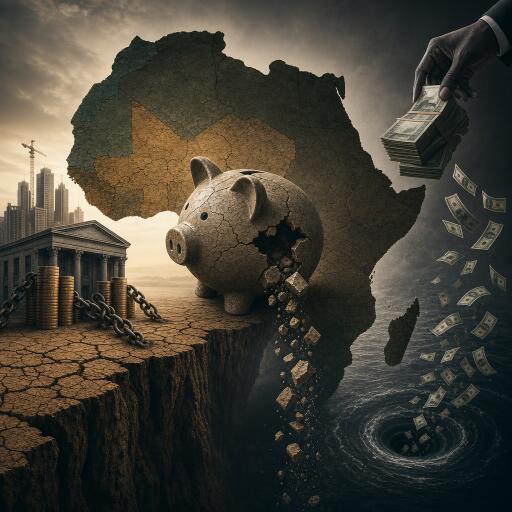
Africa Losing Billions Through Debt and Illicit Financial Flows, CSOs Say
Civil society organisations have warned that Kenya’s escalating public debt is undermining the country’s healthcare system and other essential services, arguing that the situation mirrors pressures facing many African nations. At the launch of the Kenyan chapter of the global Freedom from Debt campaign in Nairobi, a coalition led by AIDS Healthcare Foundation (AHF) Kenya framed the debt crisis as a public health emergency rather than a purely fiscal issue.
Debt Burden Framed as a Public Health Emergency
The coalition said Kenya’s public debt surpassed KSh13 trillion in May 2026 and continues to grow faster than the economy and population, raising concerns about long-term sustainability. According to the organisations, the debt load has reached about 69.9 percent of GDP—more than double the 30 percent level they cited as a sustainability threshold used by international financial institutions.
They warned that the country’s ballooning repayments are draining resources away from vital services. The groups claimed that nearly 70 cents of every shilling in government revenue now goes toward servicing debt, leaving limited fiscal space to fund critical health, education, and social protection programs.
Strains on Health and Social Services
The coalition reported that debt servicing now consumes 9.2 times more resources than the government allocates to health. They linked this imbalance to severe shortages of essential medical supplies, including antiretroviral drugs and HIV testing kits, and warned that the strain is being felt across the health system.
Beyond healthcare, they cited multiple signs of stress in public services: frozen county wage bills; reduced funding for school feeding initiatives and social protection programs; and curtailed operating hours at youth-friendly health centres. These cuts, the groups said, disproportionately affect vulnerable populations and risk reversing hard-won gains in public health and human development.
Call for Debt Justice and Relief
The organisations urged both the Kenyan government and international lenders to pursue debt justice measures, arguing that responsible relief and restructuring would allow countries to redirect scarce resources into healthcare, education, and sustainable economic growth. They maintained that without decisive action, the debt overhang will continue to undercut the delivery of essential services and compromise national resilience.
Framing the issue as continental as well as national, the coalition noted that the Kenyan experience reflects a wider African challenge in which heavy debt burdens leave governments with little room to invest in people. They called for solutions that prioritise public well-being and protect critical services, warning that the cost of inaction will be measured in poorer health outcomes, stalled development, and deepening social inequality.
The groups concluded that meaningful relief, coupled with strengthened public financing for health and social protection, is essential to safeguard progress and ensure that fiscal policy serves citizens first. Until then, they said, mounting debt repayments will continue to crowd out the investments that keep communities healthy, children in school, and economies on a path to inclusive growth.