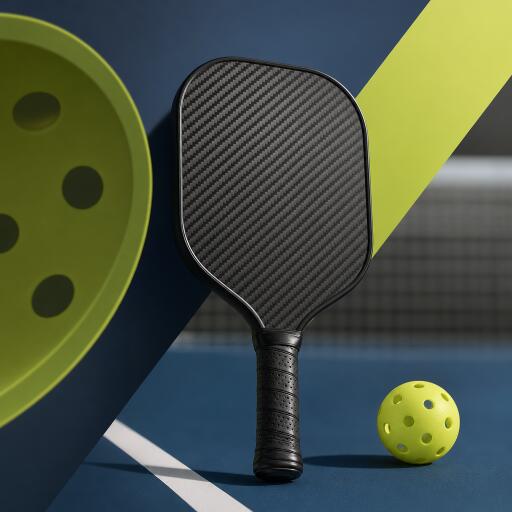
$25 Carbon Fiber Pickleball Paddle for Beginners
If you’re pickleball-curious and don’t want to spend big before you know you’ll actually stick with the sport, a $25 carbon fiber paddle hits the sweet spot. The genius is in the positioning: it’s inexpensive enough to feel like an impulse buy (or a pair to recruit a friend), not a long-term investment. You can get on the court quickly without committing $80–120 up front.
What You’re Getting
At this price, you’re trading top-tier performance for smart, beginner-friendly design. Typical construction pairs a carbon fiber face with a honeycomb core, which offers a more responsive feel than basic wood or aluminum paddles. The lightweight build makes it easier to maneuver at the net and learn proper shot placement without fatiguing your arm.
Most listings offer multiple variants—single paddles or pairs, different colors, and options with or without a cover. Always confirm the exact configuration so you get what you expect.
Who It Suits
- First-time players who want control and forgiveness over raw power.
- Casual or occasional rec play where value matters most.
- Families building a starter set for mixed-skill games.
- Loaner or backup use when friends join or you’re traveling.
Common Drawbacks to Expect
-
Grip comfort and size:
Many beginners find budget grips a bit small or slick, which can cause unwanted movement during play. If you have larger hands or prefer a cushier feel, plan to add an aftermarket overgrip ($5–10). It’s the easiest upgrade and often makes the paddle feel more secure and comfortable. -
Power and spin ceilings:
Don’t expect premium pop or heavy spin. You may need to swing a little harder to generate pace, and spin production is modest. That trade-off can actually help new players focus on consistency and placement before chasing advanced shot-making. -
Variant confusion:
Because listings often include several color and bundle options (single vs. pair, with or without cover), mismatched expectations happen. Double-check what’s in the box before checkout and review the return policy so you have an easy out if it isn’t what you intended.
How It Stacks Up
Versus similarly priced wood or aluminum paddles, a carbon fiber face with a honeycomb core typically delivers a crisper response, better touch, and more predictable control. Compared with other budget carbon-fiber options, performance is generally in the same ballpark—good enough to learn fundamentals, practice dinks and volleys, and develop serve consistency without feeling held back at beginner speeds.
The honest framing: this is a very good $25 paddle, not a premium paddle that miraculously costs $25. Set expectations accordingly and you’ll likely be pleasantly surprised by how playable it is for the money.
Buy-Or-Pass Bottom Line
Your real alternative is showing up with a borrowed beater, renting a heavily used paddle, or spending $80–120 on higher-end gear before you know if you’ll play regularly. In that context, a sub-$25 carbon fiber option is an easy yes. It gets you on the court fast, teaches you what you like (and don’t), and keeps your risk low while you decide whether pickleball becomes a weekly habit or just a fun fling.
Will you upgrade if you catch the bug? Probably—and that’s the point. Start with an affordable, forgiving paddle, learn the game, then invest in features that truly match your style.
Quick Purchase Checklist
- Confirm the variant: single or pair, color, and whether a cover is included.
- Check basic specs: weight range and grip circumference that fit your hand and comfort preferences.
- Budget $5–10 for an overgrip if you want a thicker, tackier, or more cushioned handle.
- Review the retailer’s return window and policy for hassle-free exchanges.
Grab a starter paddle, invite a friend, and hit the courts. For the cost of a couple of casual meals, you’ll know within a few sessions if pickleball deserves a bigger line in your gear budget.